Quick Summary: The best way to prepare your child for kindergarten is to focus on confidence, routines, and independence—not drilling academics. One of the biggest kindergarten changes is drop-off: many schools don’t allow parents to walk children into the classroom anymore. At Temple Beth Or Preschool in Raleigh, NC, we help children practice this shift in our Pre-K (4s) class by transitioning to a “teacher greets at the door” drop-off routine before the year ends—so kindergarten drop-off feels familiar, not scary. The biggest kindergarten change most families don’t expect: drop-off A lot of parents prepare for lunchboxes and school supplies, but the first real shock often happens at the front door. In many elementary schools, drop-off looks like this: parents stop at the entrance children walk in with staff support parents don’t enter the classroom That’s a big adjustment if your child is used to you walking them into preschool. The good news: drop-off is a skill. And like most skills, it gets easier with practice. A simple way to prep your child for “big school” drop-off At Temple Beth Or Preschool, we’ve seen how much smoother kindergarten transitions can be when children practice a new drop-off routine before summer. In our Pre-K (4s) class, we begin shifting the routine near the end of the year: Instead of parents walking children in, teachers greet children at the door Children practice a quick goodbye Teachers help them transition into the classroom right away It’s a thoughtful bridge between preschool and kindergarten expectations—and it helps children build confidence in a calm, supported way. If you want to see how our Pre-K supports readiness, here’s the program overview: https://www.tbopreschool.org/4-year-old-class 10 simple ways to prep your child for kindergarten 1) Use one confident sentence (repeat it) Try: “You’re ready for kindergarten, and your teacher will help you.” Short. Calm. Repeatable. 2) Practice the kindergarten-style goodbye now Even before school starts, practice a “fast goodbye” at preschool, camp, or activities: hug one sentence handoff leave A good script: “I love you. You’re safe. I’ll see you after school.” 3) Don’t sneak out It’s tempting, but it can backfire. Kids build trust when goodbye is clear and predictable. 4) Build independence with tiny daily wins Kindergarten confidence often comes from: trying shoes and zippers washing hands opening snack containers carrying their own backpack 5) Practice the morning routine a few times A week or two before school, run a “school morning” practice: wake up → get dressed → breakfast → shoes → out the door. 6) Talk about what school will feel like (not just learning) Use kid-friendly language: “Your teacher will greet you.” “You’ll have story time.” “You’ll play.” “Then I’ll pick you up.” 7) Help with bathroom confidence (without pressure) Role-play a simple phrase: “Excuse me, I need the bathroom.” 8) Normalize mixed feelings If your child says “I’m nervous,” try: “That makes sense. New things can feel weird at first. You can do hard things.” 9) Create a “goodbye ritual” It can be tiny: special handshake two squeezes + kiss on hand “See you later, alligator” every time Rituals create safety. 10) Give preschool a good goodbye Say it out loud: “You grew so much here. Now you’re ready for your next school.” Closure helps kids move forward. What kindergarten readiness really means A “ready” kindergartener isn’t the one who can do the most worksheets. It’s the one who can: follow routines recover from small disappointments ask for help join a group keep trying That’s what makes the first weeks smoother. A gentle note for parents, too Kindergarten is a big milestone. If you feel emotional about leaving preschool, you’re not alone. The best thing you can offer your child is calm confidence—even if you’re feeling all the feelings underneath. Want support as you plan the next step? Temple Beth Or Preschool in Raleigh, NC supports families through every transition—from first school days to kindergarten readiness. If you have questions about Pre-K, kindergarten transitions, or scheduling, we’re happy to help. Schedule a tour or reach out here .

Quick Summary: The best preschool camp preparation is simple: talk about camp in calm, positive language, practice small routines (like saying goodbye), and keep the first days predictable. For a first summer camp preschool experience, children don’t need a big “pep talk”—they need confident adults, familiar rhythms, and a plan for drop-off. This guide shares easy, practical steps to reduce separation anxiety at summer camp and help your child settle in. Why “no big deal” works best Young children often borrow their emotional cues from adults. If camp is presented as a high-stakes event, children can feel pressure. When it’s presented as a normal, safe routine, children tend to adapt faster. If you’re considering Temple Beth Or Preschool in Raleigh, NC for summer camp, these tips will help your child transition smoothly. 7 simple preschool camp preparation steps 1) Use one calm sentence (repeat it often) Try: “Camp is a safe place. I’ll come back after camp.” Short, confident, and consistent beats long explanations. 2) Describe camp in concrete, kid-friendly terms Instead of “You’ll have so much fun!” try: “You’ll play outside.” “You’ll do art.” “You’ll have snack.” “Teachers will help you.” 3) Practice the goodbye routine at home A quick hug + one sentence + handoff. Keep it the same each time. 4) Don’t over-promise If your child is nervous, avoid: “You won’t cry.” Try: “It’s okay to feel nervous. Teachers will help.” 5) Pack one familiar comfort item (if allowed) A small comfort object can help children bridge the gap during the first week. 6) Keep mornings steady Earlier bedtime, predictable breakfast, and extra time so no one is rushed. 7) Expect a short adjustment window Some kids settle quickly. Others need a few days. Both are normal. The goal is consistency, not perfection. If you’re worried about separation anxiety Separation anxiety summer camp worries are common—especially with first-time campers. Helpful signs to look for: The child can be soothed by a trusted adult Distress decreases after drop-off The child engages in play later in the day What usually makes it harder: lingering at drop-off changing goodbye routines rescuing too quickly without giving the child time to settle A helpful script for drop-off “I love you. You’re safe. I’ll see you after camp.” Then handoff, smile, leave. Want help choosing the right fit? If you’re exploring summer camp options, we’re happy to answer questions and help you decide what’s best for your child.
Quick Summary: In North Carolina, a 5-star preschool rating means a child care program has chosen to meet higher, voluntary quality standards beyond the minimum licensing requirements. The rating is largely based on two areas—staff education and program standards—so it helps parents quickly compare programs on the things that tend to matter most day-to-day: teacher preparation, learning environment, and overall quality practices. What does a 5-star preschool rating mean in NC? If you’re touring preschools in Raleigh, NC, you’ll see “Star Rated License” posted at many programs. North Carolina uses a star rating system (1 to 5 stars) to help families understand quality levels in licensed child care. Here’s the simplest way to think about it: 1 star = meets North Carolina’s minimum licensing requirements 5 stars = meets the highest level of voluntary enhanced standards for quality So when a program is a 5-star preschool, it’s not just saying “we’re great.” It’s telling you the program has been evaluated under the state’s quality framework and reached the highest tier available. At Temple Beth Or Preschool in Raleigh, NC, our 5-star preschool license is one of the ways families quickly see that we’re committed to quality—and that we’ve built our program around strong teaching, thoughtful standards, and consistent care. How NC determines the star rating North Carolina’s star rating is currently evaluated primarily using two components: Staff education Program standards ncchildcare.ncdhhs.gov+1 In other words, the state isn’t rating “vibes.” It’s looking at concrete markers of quality—who is teaching and what standards the program meets in practice. You may also hear about compliance history in relation to star ratings. Programs must demonstrate compliance with minimum standards, and compliance history is part of the overall licensing picture that supports the rating process. What “staff education” really means for your child Staff education in the star rating system is about the training and education levels of teachers and administrators. For parents, this matters because early childhood education is a specialized field. The best learning outcomes at ages 1–5 typically come from adults who understand child development, age-appropriate expectations, and how to guide behavior with patience and skill. What to ask on a tour: What early childhood education credentials do lead teachers have? What kind of ongoing training do teachers complete each year? How long do teachers typically stay with the program (turnover)? Who mentors or supports new teachers? A helpful follow-up question: “What does professional development look like during the year?” A good program will answer clearly and confidently—without making it sound like a formality. What “program standards” mean (the part you can often see) Program standards are about what the program offers and how the learning environment supports children. This can include the classroom environment, daily schedule, health and safety practices, and the overall quality of interactions. North Carolina points to things like safe practices, caregiver interactions, developmentally appropriate activities, and indoor/outdoor safety as part of what’s observed and evaluated. What to ask on a tour: What does a typical day look like for my child’s age? How do teachers guide social-emotional development and behavior? How do you handle transitions (drop-off, nap, bathroom routines, moving between activities)? How do you communicate with parents? How do you ensure safety indoors and outdoors? A practical tip: Ask for examples, not just policies. For example, instead of “Do you teach social-emotional skills?” ask “What does that look like when two children want the same toy?” Why ratios and class size still matter (even with 5 stars) A 5-star rating is meaningful, but parents still need to confirm what day-to-day life looks like for their child. Teacher-to-child ratio is one of the clearest indicators of how much individual attention children receive—especially for toddlers, shy children, or kids who need extra support with transitions. What to ask: What is the teacher-to-child ratio in my child’s classroom? How many children are in the room at one time? Are there two teachers in the classroom throughout the day? What happens when a teacher is out sick? If you’re evaluating a preschool in Raleigh, NC, ratios and consistency often separate “fine” from “truly supportive.” Safety practices: what parents should confirm Safety is part of licensing, but it’s still worth asking direct questions—because your comfort matters, and strong programs will be transparent. What to ask: How is the building secured during the day? Who is allowed to pick up my child, and how is that verified? What are your health and sanitation routines? How do you handle allergies and medication? How do you communicate closures, emergencies, or urgent updates? Look for calm, clear answers. You want a program that treats safety as routine and well-practiced, not as an awkward topic. Consistency: the quiet factor that makes preschool work Parents don’t always think to ask about consistency, but children feel it immediately. Consistency includes stable staffing, predictable routines, and a clear approach to guiding behavior. It’s one of the biggest reasons some kids “settle in” quickly and others struggle. What to ask: How long have your lead teachers been at the school? How do you keep classroom routines consistent across the week? What approach do teachers use for behavior guidance (and how do you involve parents)? How do you support children who are slow to warm up? This is especially important if you’re comparing multiple “5-star” programs—because the rating is meaningful, but your child’s experience will still be shaped by the people and the daily rhythm. How to use the 5-star rating when comparing preschools in Raleigh, NC Use the star rating as a strong starting point, then confirm the details that matter most to your family. A simple comparison checklist: Staff education and training: clear, specific, ongoing Program standards: age-appropriate, play-based, structured in a healthy way Safety practices: transparent, practiced, easy to explain Ratios and class size: supportive for your child’s temperament and needs Consistency: stable teachers, predictable routines, clear guidance approach If you’re researching Temple Beth Or Preschool in Raleigh, NC and want to understand what makes our program distinct, start here: What Sets Us Apart Preschool (ages 1–4) Ready to take the next step? The best way to know if a 5-star preschool is the right fit is to see it in action—watch the classroom flow, meet the teachers, and ask your real questions. If you’re considering Temple Beth Or Preschool in Raleigh, NC, we’d love to welcome you in. Schedule a tour and review next steps.

No—a Jewish preschool is not only for Jewish families. At Temple Beth Or Preschool in Raleigh, NC, Jewish values show up as universal, everyday lessons like kindness, respect, community, and giving—taught in a warm, inclusive preschool environment where families of all backgrounds feel comfortable. If you’re searching “Jewish preschool Raleigh open to all,” this is exactly what many parents want: a values-based school culture that welcomes everyone. Is a Jewish preschool only for Jewish families? This is one of the most common questions parents ask when they first hear “Jewish preschool.” And it makes sense. If you’re not Jewish, you might wonder: Will we feel out of place? Will my child be expected to know prayers or Hebrew? Will the school focus on religion more than early learning? At Temple Beth Or Preschool in Raleigh, NC, the experience is simple: we are an inclusive preschool. We’re inspired by Jewish values, and we welcome families of all faiths and backgrounds. For many families, that’s the perfect combination—a school with a clear values foundation and a community-first feel, without needing to share the same religious identity to belong. To read more about who we are and the spirit of our community, visit About Us → What does “Jewish values” mean in a preschool classroom? When most parents hear “Jewish values,” they imagine something formal or unfamiliar. In reality, in a preschool setting, Jewish values look like universal character-building that all families can appreciate. Here are a few examples in plain language: Mitzvah Makers (doing good deeds) “Mitzvah” can mean a good deed—kind and thoughtful actions we choose to do. In preschool, being a Mitzvah Maker can look like helping a friend clean up, using gentle hands, inviting someone to play, or sharing materials without being asked. Tikkun Olam (making the world a better place) This is the idea of caring for the world around us. For young children, Tikkun Olam might show up in simple ways: caring for classroom materials, being gentle with nature outside, or doing a small project that helps others. Tzedakah (sharing and helping others) Tzedakah is about helping others and sharing what we have. In preschool, it might be a classroom collection for a community need or a child learning, “I can give too.” Kehillah (community and belonging) Kehillah is a sense of belonging and community. In the classroom, it means: “You belong here.” It looks like greeting each other, taking turns, helping, and learning that our classroom is a safe place to be yourself. Shabbat (slowing down and expressing gratitude together) At Temple Beth Or Preschool, Shabbat is practiced as a weekly rhythm of slowing down, coming together as a community, and expressing gratitude—often through song and dance on Friday mornings. It’s joyful, age-appropriate, and welcoming for all children. These values aren’t a lecture. They’re part of the daily rhythm—modeled by teachers, practiced in friendships, and reinforced through routines that help children feel secure. What families typically experience day-to-day at Temple Beth Or Preschool in Raleigh, NC If you’re considering an inclusive preschool with Jewish values, the best question is: “What will my child actually do each day?” At Temple Beth Or Preschool, Raleigh, NC families typically experience: Warm, predictable routines that help children feel safe Play-based learning with hands-on activities (art, stories, music, outdoor time) Teachers who guide social-emotional skills like sharing, patience, and problem-solving Classroom culture that focuses on kindness and belonging, not “perfect behavior” Celebrations and traditions that are introduced in kid-friendly ways, with context and inclusion Many families say the “values-based” part of the school isn’t something you need to understand ahead of time—you feel it in how your child is treated, how teachers communicate, and how children learn to be good humans. Will my child be excluded if we’re not Jewish? No. An inclusive preschool should make it easy for every family to participate comfortably. At Temple Beth Or Preschool in Raleigh, NC, inclusion means: Teachers explain traditions in ways young children understand Families are never expected to already “know” anything The classroom focus stays on early childhood development and community Every child’s identity and family background is treated with respect For many non-Jewish families, the experience feels less like “religious instruction” and more like a warm school culture that prioritizes character, kindness, and community. Why some families prefer a values-based preschool Parents often say they’re not just looking for “daycare.” They want their child to learn, grow, and develop strong social skills in a calm environment. A values-based preschool can help because it gives the school a shared language for what matters: “We use kind words.” “We take care of our friends.” “We help.” “We try again.” Over time, those simple messages shape how children handle frustration, friendships, and learning challenges—skills that matter just as much as letters and numbers. Questions to ask when touring a Jewish preschool as a non-Jewish family If you’re searching “Jewish preschool Raleigh open to all,” bring these questions on your tour: How do you define “open to all” in daily practice? What does Jewish values-based learning look like for a child who isn’t Jewish? What holidays or traditions are celebrated, and how are they explained to children? Are families expected to participate in religious services or activities? How do teachers support belonging for every child? What do you do if a child asks big questions (“Why do we do this?”) in class? A strong program will answer clearly, warmly, and without defensiveness. The simplest way to know if it’s a fit: come see it Reading about inclusion helps, but the real clarity comes from watching a classroom in action. You’ll see how teachers speak to children, how children treat each other, and whether the environment feels welcoming to your family. If you’re looking for a Jewish preschool in Raleigh open to all, we’d love to meet you. Schedule a tour at Temple Beth Or Preschool in Raleigh, NC.

Choosing the right next step can feel confusing, especially during Wake County enrollment season . Here’s a clear, parent-friendly guide to Pre-K , Transitional Kindergarten (TK / Young 5s / Kindergarten Bridge) , and Kindergarten —and how TBOP helps families decide with confidence. Quick Definitions Pre-K (age 4): A play-based, pre-academic year focused on foundation skills (language, number sense, fine motor, social-emotional growth). Transitional Kindergarten (Young 5s / Bridge-K): A small-class, extra year for just-turned-5s who are academically capable but need more time to grow socially, emotionally, or in stamina/independence . Kindergarten (WCPSS & private): Full K standards—longer days, larger groups, increased independence, and formal assessments. Side-by-Side Snapshot Purpose Pre-K: Build readiness through play; introduce structured routines. TK / Young 5s: Bridge to K; deepen self-regulation, confidence, and stamina while continuing academics. Kindergarten: Master K standards across literacy, math, social-emotional, science, and specials. Ideal for Pre-K: 4-year-olds ready for a structured, playful classroom. TK / Young 5s: Late-summer birthdays; shy/slow-to-warm kids; “almost ready” learners; families with an inkling that “one more year” would help. Kindergarten: Children ready for a longer day, larger peer groups, and higher independence. Class size & support Pre-K @ TBOP: Small classes, two teachers, Conscious Discipline . TK @ TBOP: Very small classes , two teachers, extra coaching on executive function (attention, flexibility, persistence). Kindergarten: Varies by school; typically larger classes and higher student-to-teacher ratios. iteracy & math Pre-K @ TBOP: Phonemic awareness, print concepts, early number sense through play. TK @ TBOP: Letterland (same phonics used by Wake County Public Schools ), emergent writing, number composition, patterning, simple graphing—still play-based. Kindergarten: Full WCPSS standards and formal assessments. Independence & SEL Pre-K: Routines, sharing, following directions, feelings language. TK: Big growth in self-advocacy, conflict resolution, classroom jobs, stamina (end-of-day regulation). Kindergarten: Higher expectations for self-management, collaboration, and problem-solving. How TK Differs from Pre-K (and Why It Works) Same academics, deeper mastery: Kids practice Letterland and math in richer, longer projects. Extra time for the whole child: Confidence, voice, leadership opportunities. Stamina builder: A gentler on-ramp to the length and pace of K. Right-sized support: Small class sizes mean more coaching, feedback, and wins. FAQs Parents Ask “My child is academically ready. Why consider TK?” Readiness is also emotional stamina, independence, and confidence in groups . TK strengthens those so academics stick. “Does TK mean my child is being held back?” No. Temple Beth Or Preschool’s TK (Young 5s Bridge Year) is about choosing the right next step, not delaying indefinitely. By spring, we share a readiness summary and recommendation—most often kindergarten. In some cases, families may explore first grade readiness depending on the child and local school policies. “Will they be bored?” We differentiate . Children stretch academically while building executive function, language, and social skills. “Is TK the same as private kindergarten?” No. TK is a bridge year before kindergarten; the emphasis is readiness + growth with continued academics. Why TBOP for TK / Young 5s NAEYC-accredited , play-based program with small classes and two teachers. Letterland literacy (continuity with WCPSS ). Conscious Discipline for self-regulation and social problem-solving. A warm, inclusive community that partners closely with families. Next Steps (During Wake County Enrollment Season) Not sure? Book a 10-minute readiness chat with our director. See it in action: Schedule a TK classroom tour . Giving a child the gift of time is a decision families tell us they “never regret.”

If your child has a late-summer birthday—and you’re wondering whether they’re emotionally ready for kindergarten —you’re not alone. We hear from many TBOP families whose children are academically ready but shy, slow-to-warm, or still building confidence in groups. Again and again, those families tell us: “Choosing a Young-5s/Transitional Kindergarten year was the best decision we ever made .” And our teachers echo it “If you have even an inkling that a bridge year could help, you will never regret giving your child the gift of time .” What “ready” really means Kindergarten readiness isn’t just letters and numbers. It’s also: Emotional stamina (long mornings, lots of transitions) Confidence in groups (raising a hand, joining play) Self-regulation (recovering from big feelings) Independence (managing a backpack, bathroom, routines) Many late-summer birthdays—especially shy or slow-to-warm kids—benefit from one more year to strengthen these skills. What a Bridge Year looks like at TBOP Our Young-5s / Transitional Kindergarten (TK) class is a small, nurturing “Kindergarten Bridge” designed for children who can do the work, but would thrive with extra time to grow. Small classes, low ratios → more coaching, more confidence Letterland literacy (the same phonics program used in Wake County) Play-based math & science woven into centers and projects Conscious Discipline for self-regulation, friendships, and problem-solving Leadership moments (class jobs, buddy work, show-and-tell) that help shy kids practice using their voice Kids leave TK excited for kindergarten—academically ready and emotionally steady. “But will they be the oldest?” (Common questions, answered) Will my child be “too old” later on? Being an older, more confident leader is typically a strength , not a drawback. Teachers often report smoother transitions, better self-advocacy, and fewer school-day tears. Will they be bored academically? Not with us. We differentiate—children stretch at their level while building endurance, attention, and peer skills that make learning stick. Will this delay friendships? Usually the opposite. With time to grow, shy kids tend to join play sooner , use words to solve problems, and make deeper friendships. 6 gentle signs a Bridge Year may help Your child is shy/slow-to-warm and needs time before joining groups. Afternoons often bring big feelings or extra fatigue. New environments feel overwhelming at first. They’re academically solid , but avoid speaking up. Fine-motor stamina (writing, cutting) is still developing . Your gut says “almost ready… but not quite.” If a few of these sound familiar, that little nudge you feel is worth listening to. Parent voices we hear every year “He could read, but he hid in groups. Now he volunteers.” “She used to say, ‘I can’t.’ Now we hear, ‘ I can try .’” “Mornings went from tears to happily running into class.” The gift of time A Young-5s year isn’t “waiting.” It’s building —confidence, language for feelings, friendships, and the stamina school requires. For many late-summer birthdays and shy kids, it’s the difference between surviving kindergarten and loving it. Next steps Talk with us: Schedule a quick readiness chat. See it in action: Tour our TK/Young-5s classroom. Not sure yet? Download our 2-minute Kindergarten Readiness Checklist. Temple Beth Or Preschool’s Young-5s / Transitional Kindergarten : small classes, Letterland like WCPSS, and a year devoted to growing brave, kind, confident learners. Have a question about your late-summer birthday kiddo? We’re happy to be a thinking partner.

When kids are revved up, “Stop!” often lands like a grenade—big emotion, little learning. In Conscious Discipline , we try to name what to do , not just what not to do. Clear, doable language helps children regulate, succeed, and feel safe. Why “stop” backfires It’s vague (what should I do instead?). It can escalate power struggles. Dysregulated brains need specific, simple directions . Try this 3-step shift Notice : “You’re running inside.” Name the need/boundary : “This room is for walking.” Give the do : “ Use walking feet. ” Quick swaps for everyday moments Running indoors “ Pause. Check your body. Walking feet inside. ” “ Freeze. Let’s try slow feet to the cubbies.” Grabbing toys “ Hands waiting. Ask, ‘Can I have a turn when you’re done?’” “ Gentle hands. You may hold this one; that one is Sam’s.” Hitting/rough play “ I won’t let you hit. Your hands can squeeze this pillow .” “ Safe body. Keep your hands on your own body.” Shouting “ Voices off. Now quiet voice so I can hear you.” “ Pause and breathe. Let’s try talking voice .” Throwing blocks/toys “Blocks are for building . Balls are for throwing—want one?” “ Put it gently on the mat like this.” Water/sand everywhere “Water stays in the sink . You can splash in the tub at home .” “ Scoop and pour inside the bin.” Interrupting “ Hold your thought. Put your hand on my arm; I’ll look at you when I’m ready.” “ Wait cue. When the timer beeps, it’s your turn to talk.” Transitions “ Two more minutes . Then shoes on .” “ First clean up, then playground.” Power words to post at home/school Pause, Freeze, Gentle hands, Walking feet, Voices off, Safe body, Hands waiting, Try again, Let’s switch, First–Then, Your turn is next When “stop” is right For immediate safety, be direct and firm: “ Stop. Car is coming.” Follow with the do : “ Hold my hand. ” Keep it teachable Breathe first. Your calm regulates their storm. Model the action (“I’ll show you walking feet”). Offer a choice (“Crayons or markers?”). Practice when calm —play “Freeze/Go,” set up role-plays, use visuals. Tiny scripts you can pocket “Pause. Look at my eyes. Walk.” “ I won’t let you… You may …” “ Use your words: ‘My turn when you’re done.’” “ Try again… slowly. ” “ First coat, then outside.” Bottom line: Swap “stop” for clear, doable directions . The more we say what to do, the faster kids learn the skill—and the calmer everyone feels.
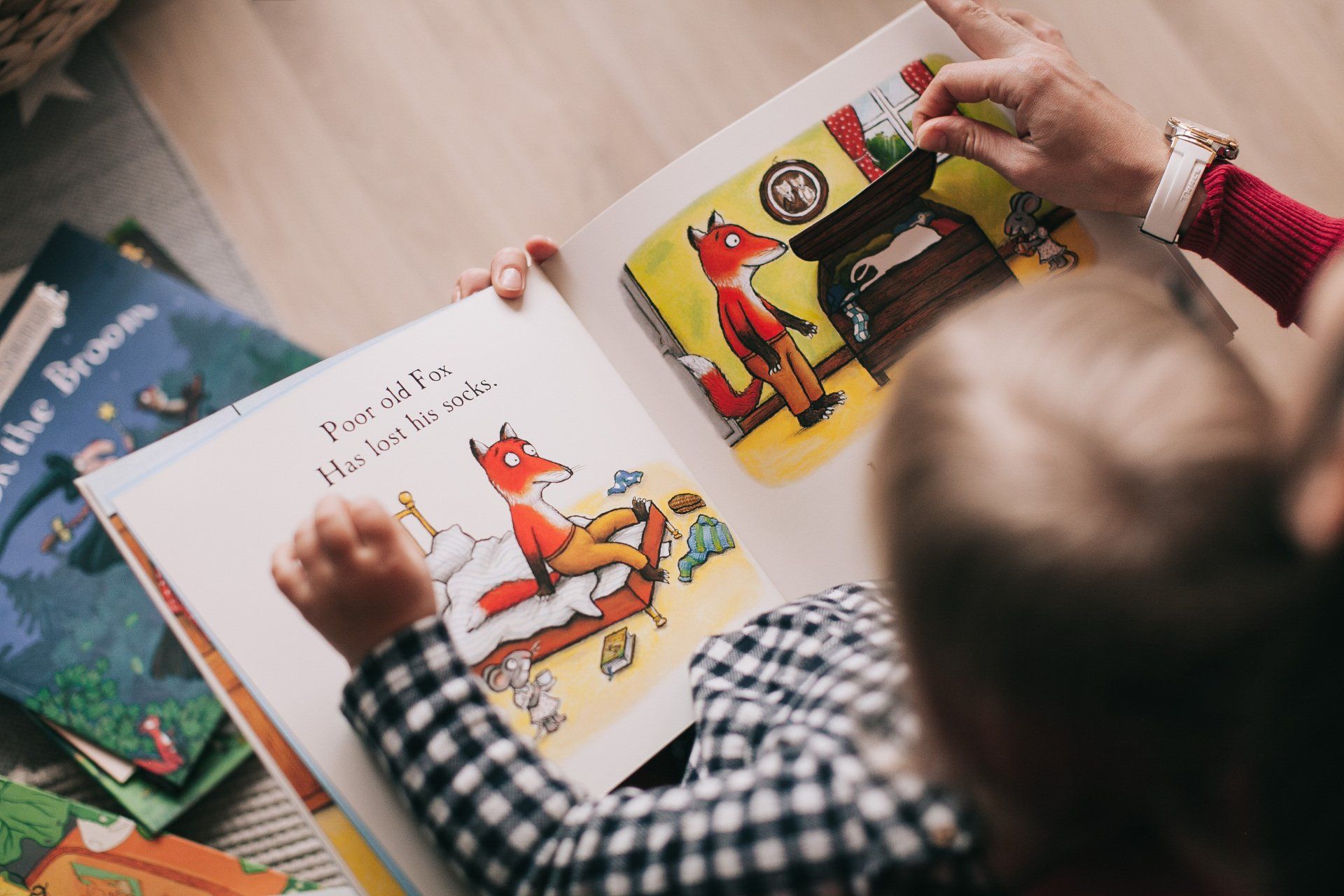
One of the biggest questions parents ask us is: “Will my child be ready for kindergarten?” At Temple Beth Or Preschool, the answer is a confident yes. Not only do we nurture confidence, empathy, and curiosity—we also intentionally align our curriculum and classroom experiences with what children will encounter in Wake County Public Schools (WCPSS) . If you’re wondering what kindergarten readiness really looks like in our area, or how TBOP supports that transition, here’s everything you need to know. What Does Wake County Kindergarten Look Like? WCPSS follows the North Carolina Foundations for Early Learning and Development and uses Letterland for literacy instruction. Kindergarten is built around a balance of early academics, independence, and social-emotional development. Here’s a quick look at some of the expectations: Literacy Recognizing and naming all letters (uppercase and lowercase) Identifying letter sounds (phonemic awareness) Understanding print concepts (left to right, top to bottom) Beginning to write letters and simple words Math Counting and recognizing numbers (1–20 and beyond) Comparing quantities (more/less, same/different) Recognizing basic shapes Understanding patterns and measurement Social-Emotional Development Managing emotions and using words to express needs Taking turns and sharing Following multi-step directions Working independently and with a group Self-Help & Independence Unpacking their backpack and managing belongings Using the bathroom independently Asking for help appropriately Navigating the school day with confidence How TBOP Gets Your Child There We intentionally structure our 4s and Transitional Kindergarten programs to prepare children for all aspects of the kindergarten experience—not just the academics. We Use Letterland—Just Like WCPSS At TBOP, we use Letterland , the same phonics-based literacy program your child will see again in Wake County elementary classrooms. Through Letterland Labs, we introduce: Letter sounds and characters Rhyming, syllables, and simple word building Pre-writing and writing with engaging, hands-on tools This familiarity builds confidence and eases the transition into “big kid” school. We Build Math Foundations Through Play Our math curriculum is woven into everyday activities. Children count during songs, measure ingredients while cooking, sort objects by color and size, graph their favorite fruits, and build patterns with blocks. These early math skills are fun, meaningful, and developmentally appropriate. We Focus on Emotional Readiness Through the Conscious Discipline model, we help children learn to: Identify and regulate their emotions Solve problems with words Build empathy and kindness Feel secure in a group setting Our classrooms are built around relationships, routines, and reflection—which makes for confident, resilient learners. We Build Independence (Gently) We create opportunities every day for children to practice age-appropriate independence: Taking on classroom jobs Managing transitions Cleaning up materials Packing their backpacks Asking questions and advocating for themselves These small moments prepare children for the self-management skills they’ll need in kindergarten and beyond. We Don’t Rush Childhood—We Prepare It with Purpose We know that school readiness is about more than knowing letters and numbers—it’s about being emotionally ready to learn, socially ready to connect, and confident enough to try. By combining a play-based curriculum with Wake County-aligned instruction , TBOP gives children the best of both worlds: a joyful, loving early childhood experience that also lays the foundation for academic success. Not sure what “kindergarten readiness” really means? Start with our post: Kindergarten Readiness—What It Means (and Doesn’t Mean)

TBOP Voted Best Preschool/Early Education Program in Wake County! We’re honored (and just a little giddy) to share that Temple Beth Or Preschool has been voted Best Preschool/Early Education Program in Wake County by the readers of INDY Week! This recognition means the world—not just because we won, but because it was you, our community, who made it happen. You showed up with your votes. You shared our story with friends. You stood with us and supported the work we do every day in our classrooms. More than a win, this feels like a beautiful reflection of who we are together—a joyful, inclusive preschool community where children are celebrated, families feel supported, and learning happens with love. To our teachers: thank you for bringing your whole hearts to your work. To our families: thank you for trusting us with your little ones. To our broader community: thank you for helping TBOP continue to grow, shine, and welcome new families each year. Here’s to another year of hugs, laughter, learning, and lots of messy art projects. We’re so proud to be your preschool. With gratitude, The TBOP Team

Potty training. Just the phrase alone can bring up anxiety, questions, and more than a few stories from the parenting trenches. At Temple Beth Or Preschool, we believe that every child is on their own timeline—and that includes mastering the potty. We’ve heard from many families who’ve come to us from other programs frustrated, overwhelmed, or feeling like they’ve failed. Maybe their child was ready to start potty training, but their daycare didn’t allow support in the classroom. Or maybe their child wasn’t quite ready, but the school required them to be trained before enrollment. Either way, parents are often left feeling stuck. At TBOP, we take a different approach—one that honors where your child is, not where someone else says they should be. We Meet Kids Where They Are (Yes, Even in Pull-Ups) We know that potty training is a major milestone, and it doesn’t happen the same way—or on the same schedule—for every child. That’s why we: Welcome children in all stages of potty training —from pull-ups to fully trained Work with families to create a consistent plan across home and school Support commando kiddos (no pull-ups or underwear) with understanding and flexibility Celebrate small wins —from sitting on the potty to mastering the flush! If your child is showing interest at home, we’ll hop on the “potty train” and continue the routine here. If your child needs more time and reassurance, we’re right there with them. Our Philosophy: Respect, Patience, and Encouragement We don’t shame. We don’t pressure. And we definitely don’t expect toddlers to conform to a one-size-fits-all potty policy. Instead, we offer: Calm, consistent language Gentle reminders and visual cues Supportive teachers who know how to spot readiness signs A culture that understands accidents are part of learning—not something to fear Many families are surprised (and relieved!) to find that once the pressure is off, their child actually thrives in a supportive environment like TBOP. We’ve seen children go from nervous or resistant to proud and confident—just because someone believed in their timeline. You're Not Behind. You're Just on Your Child’s Timeline. Potty training is one of the first big lessons in parenting: we can guide, model, and support—but ultimately, our kids are in the driver’s seat. At TBOP, we’re here to be your copilots. Whether your child is just starting out or almost there, we’re ready to walk (or sprint!) this journey with you. Got potty training questions or concerns? Let’s talk. You’re not alone—and we’re here to help.
When it comes to choosing a preschool, it’s easy to focus on the basics: location, curriculum, schedule. But one factor that often gets overlooked—and makes a major difference in your child’s experience—is class size . At Temple Beth Or Preschool, we keep our classes small for a reason. With two teachers in every classroom and intentionally low student-to-teacher ratios, we’re able to offer the kind of personal attention and connection that young children truly need to grow. Here’s why that matters: 1. More Individualized Attention Every child learns differently. Some jump right into circle time; others need a little encouragement. In a small class, teachers can truly get to know each child—their interests, their personality, their unique learning style—and adapt the day accordingly. This means: Teachers can spot and nurture each child’s strengths Kids who need a little extra help aren’t overlooked Children build meaningful bonds with the adults in their classroom 2. Stronger Relationships, Safer Spaces Preschool is often the first time a child spends extended time away from their family. Small classes make this transition easier by creating a warm, consistent, and emotionally safe environment. Children in smaller classrooms: Form deeper friendships with classmates Feel more seen and heard Are more likely to speak up, try new things, and participate It’s not just about physical safety—it’s about emotional safety, too. 3. Better Support for Social-Emotional Learning Learning how to share, cooperate, and solve problems is just as important as learning ABCs—and it takes practice. In a smaller group, teachers have more time to coach children through tricky moments instead of simply managing behavior. At TBOP, we use the Conscious Discipline model to help children name their feelings, practice empathy, and build conflict resolution skills. Small class sizes allow us to be present and patient in those critical moments of growth. 4. A Quieter, More Focused Environment Let’s be real: preschool can be loud! With fewer children in a classroom, the energy is still joyful and playful—but there’s more room for focus, calm, and creativity. Small class sizes allow: More uninterrupted play and deeper concentration Easier transitions between activities More opportunities for teachers to introduce meaningful learning moments throughout the day 5. More Confidence for Kindergarten With fewer peers, children have more chances to lead, take on classroom jobs, and develop independence. By the time they leave our NAEYC-accredited, 5-star Raleigh preschool , they’re not only academically prepared—they’re confident and emotionally ready for kindergarten. (Explore our blog: Kindergarten Readiness: What It Means ) The TBOP Difference We keep our classes small not because it’s easy—but because it’s worth it. At Temple Beth Or Preschool, our teachers aren’t just managing a room—they’re mentoring, listening, guiding, and connecting with every child, every day. When your child is in a classroom where they are truly known, everything else falls into place. Want to see what a small, joyful classroom looks like in action? Schedule a visit and come see why families call TBOP one of the top Raleigh preschools for early childhood education.
At Temple Beth Or Preschool, our goal isn’t just to help children learn letters and numbers—it’s to help them grow into kind, confident, resilient human beings. That’s why we use the Conscious Discipline approach throughout our classrooms. You may have heard your child mention “breathing like a star” or “taking a break to calm down,” but what does it all mean? Here’s a closer look at what Conscious Discipline is, and how it shapes the day-to-day experience at TBOP. What is Conscious Discipline? Conscious Discipline is a trauma-informed, evidence-based social-emotional learning program that helps children—and adults—build the skills needed to manage emotions, make thoughtful choices, and create a strong sense of community. It was developed by Dr. Becky Bailey and is used in thousands of schools across the country. At its heart, Conscious Discipline teaches that discipline is not something we do to children—it’s something we teach them. It shifts the focus from punishment and compliance to connection, emotional regulation, and problem-solving . What Does That Look Like in a Preschool Classroom? In a Conscious Discipline classroom, you’ll notice a few key things: Connection Before Correction: Teachers focus on building strong, trusting relationships with each child, knowing that connection is the foundation for learning and growth. Safe Spaces to Calm: Each classroom has a “Safe Place,” where children can go when they’re feeling overwhelmed. It’s not a punishment—it's a tool for self-regulation. Language That Empowers: Teachers use language that models empathy, helps children name their feelings, and guides them through challenges rather than controlling behavior with fear or rewards. Consistent Routines & Rituals: Visual schedules, greeting rituals, and classroom jobs give children structure and ownership of their day, helping them feel secure and included. Problem Solving Together: Instead of “time-outs,” teachers walk children through moments of conflict with empathy and reflection. This helps kids learn how to solve problems, not just that certain behaviors aren’t allowed. What Kind of Training Do TBOP Teachers Receive? Our teachers participate in ongoing professional development in Conscious Discipline , including workshops, in-school coaching, and team discussions. They learn not only how to guide children through big emotions, but also how to reflect on their own responses and bring calm, mindful leadership into the classroom. This training is grounded in neuroscience and child development research—and it supports everything from classroom management to lifelong relationship skills. Why It Matters for Your Child When your child is taught through the lens of Conscious Discipline, they’re learning more than how to take turns or say “I’m sorry.” They’re learning: How to recognize and manage their emotions How to handle conflict with empathy and respect How to feel safe, heard, and valued How to be part of a caring community At TBOP, we believe in nurturing the whole child. Conscious Discipline helps us do just that—guiding children with compassion, modeling respectful relationships, and planting the seeds for emotional resilience and inner confidence. Want to learn more or try Conscious Discipline strategies at home? Let us know—we love partnering with families on this journey.
Let’s be honest—parenting in today’s world isn’t easy. And choosing a preschool? It’s a big decision that brings up a lot of questions. Will my child feel safe? Will they be loved and understood? Will this school partner with us and truly care? At Temple Beth Or Preschool, these aren’t just questions we take seriously—they’re the heart of everything we do. More Than Just a Building We know that when families choose a preschool, they’re not just looking for a classroom. They’re looking for a safe, nurturing second home. That’s why at TBOP: Every teacher knows your child’s name—and your name too Our security protocols are in place and regularly reviewed Our school community is tight-knit, welcoming, and deeply connected We believe in making safety visible, communication open, and kindness the norm. Emotional Safety Matters, Too In addition to keeping children physically safe, we prioritize emotional safety—because that’s where real learning begins. Through our use of Conscious Discipline , our teachers help children name and regulate emotions, build trust, and navigate big feelings with compassion. We create space for every child to feel: Seen Heard Included Respected Our goal isn’t just to prepare children for kindergarten—it’s to help them build the confidence and emotional intelligence they’ll carry with them for life. Open to All, Rooted in Respect While we are proud to be a preschool rooted in Jewish values, the majority of our families are not affiliated with the temple , and we welcome children and families of all backgrounds. What connects us isn’t a shared background—it’s a shared belief in community, curiosity, and compassion. You’re Not Alone. We’re in This Together. We know how much trust it takes to choose a preschool. And we don’t take that trust lightly. We work every day to ensure our school is a place where your child can thrive—and where you, as a parent, can breathe a little easier. If you're looking for a preschool where safety, love, and learning go hand in hand, come visit Temple Beth Or Preschool. We’d love to welcome you. Schedule a tour or reach out with any questions. We’re here for you.
NAEYC accreditation is a nationally recognized quality standard for early childhood programs, awarded by the National Association for the Education of Young Children (NAEYC). When you choose a NAEYC accreditation program, you’re choosing a school that’s been evaluated against research-informed standards for classroom interactions, learning environments, health and safety, and family partnerships. At Temple Beth Or Preschool in Raleigh, NC, NAEYC accreditation is one of the ways families can quickly understand the level of care, consistency, and early learning quality a program is built to deliver. What Is NAEYC? NAEYC stands for the National Association for the Education of Young Children. Many parents first encounter the term while comparing schools and wondering: “What is NAEYC, and does it actually matter?” In simple terms, NAEYC accreditation is a voluntary process that early childhood programs choose to go through to demonstrate they meet high standards for quality. It’s not a marketing label a school can simply claim. Accreditation involves documentation, observation, and ongoing accountability focused on what children experience every day in the classroom. When families search “NAEYC accredited preschool Raleigh,” they’re often looking for a reliable shortcut to quality—something that helps them compare programs beyond a quick tour or a website headline. Why NAEYC Accreditation Matters to Parents For most families, the preschool decision isn’t just about convenience. It’s about trust. NAEYC accreditation matters because it focuses on the things parents care about most but can’t always measure quickly, like: How teachers interact with children in real moments (comforting, guiding, teaching, redirecting) Whether the classroom environment is safe, intentional, and developmentally appropriate How the program partners with families Whether health, safety, and daily routines are consistent—not just “on paper” At Temple Beth Or Preschool in Raleigh, NC, NAEYC accreditation is part of our broader commitment to creating a supportive early learning environment where children feel secure, engaged, and known. What NAEYC Accreditation Looks At Parents often ask what, specifically, NAEYC accreditation evaluates. While the full standards are detailed, you can think of it as a focus on quality in four big areas that show up in everyday school life: 1) Teacher-child interactions This is a core part of what makes a classroom feel calm and productive. Accreditation looks for teachers who are warm, responsive, and intentional—helping children learn skills while also supporting emotions and relationships. In a strong program, you’ll see guidance that’s patient, consistent, and age-appropriate. 2) Learning environment NAEYC accreditation evaluates whether the classroom is designed for young children to learn through play, exploration, language, movement, and hands-on experiences. You’ll often see inviting learning areas, clear routines, and activities that match children’s developmental stages—rather than expecting little kids to behave like older students. 3) Family partnership A quality preschool isn’t just focused on the child—it partners with the family. NAEYC accreditation includes attention to how a program communicates with parents, invites family involvement, shares progress, and supports transitions (like starting school, moving classrooms, or preparing for kindergarten). 4) Health and safety Health and safety aren’t just checklists; they’re daily habits and systems. Accreditation looks at cleanliness routines, supervision practices, emergency preparedness, and how a program supports children’s wellbeing—physically and emotionally—throughout the day. If you’re curious about the people behind these standards in action, meet our team here: Our Teachers → NAEYC Accreditation vs. “Good Reviews” or “A Nice Tour” Reviews and tours are helpful, but they have limitations. A tour is a snapshot. Reviews reflect personal experiences (which matter), but they don’t always tell you whether quality is consistent across classrooms, years, and staff changes. NAEYC accreditation helps add another layer: an external framework for evaluating what quality should look like in an early childhood setting—especially when you’re trying to compare multiple options in Raleigh, NC. Questions to Ask on Any Preschool Tour (NAEYC-Informed Checklist) If you’re touring schools and searching for a NAEYC accredited preschool in Raleigh, bring these questions with you. They’ll help you move from “This seems nice” to “This fits our child.” Teacher-child interactions How do teachers respond when a child is upset at drop-off? What does guidance look like when children hit, grab toys, or melt down? How do teachers help shy children join play and build friendships? Learning environment What does a typical day look like for my child’s age group? How do you balance play-based learning with kindergarten readiness? What kinds of activities do children do daily (books, music, art, outdoor play, centers)? Family partnership How will you communicate with us about our child’s day and progress? What does parent-teacher partnership look like if my child is struggling with transitions? How do families get involved (and what’s optional vs. expected)? Health and safety How is the building secured during the day? What are your supervision practices on the playground and in the classroom? How do you manage allergies, illness, and cleanliness routines? Consistency How long do teachers typically stay with the program? What happens if a teacher is out—how do you keep routines consistent? What are your class sizes and teacher-to-child ratios? These questions are especially helpful if you’re comparing multiple programs that sound similar online. Bringing It Back to Temple Beth Or Preschool in Raleigh, NC When families ask “What is NAEYC?” they’re usually asking something deeper: “How do I know this preschool will be a safe, steady, high-quality place for my child?” At Temple Beth Or Preschool, Raleigh, NC families choose us for the combination of warm relationships, intentional early learning, and clear quality standards—including NAEYC accreditation. If you’d like to explore what this looks like in real classrooms, we’d love to meet you. The easiest way to decide is to see the day-to-day in person. Reach out to Temple Beth Or Preschool in Raleigh, NC to schedule a tour and get your questions answered.
When it comes to early childhood education, parents ask a lot of great questions—one of the most common is: “How many hours a day should my preschooler be in school?” And it’s a really important one to ask. At Temple Beth Or Preschool, we close at 4:00 p.m., and sometimes families wonder if that’s too early. The short answer? Not at all. In fact, we believe that 4:00 is the ideal end-of-day for young children—and here’s why. Preschoolers Need Structure, Not Overload Young children thrive on structure, predictability, and plenty of time to rest and reset. Their brains and bodies are working overtime every single day: managing emotions, learning to cooperate with peers, building new academic skills, and navigating a full sensory environment. A full day at preschool—especially when it's packed with play, learning, music, movement, transitions, and social interaction—is a lot to process. After about 6–7 hours of engaged learning and play, most preschoolers start to show signs of: Mental fatigue Emotional dysregulation (read: more meltdowns) Physical exhaustion Difficulty transitioning from school to home More Time Isn’t Always Better While longer hours may be necessary for some families' work schedules (and we deeply respect that!), what we often see in early childhood is that there’s a sweet spot for time spent at school —and going much beyond that can lead to diminishing returns for learning and behavior. That’s why our teachers—who are trained in early childhood development and see this firsthand—believe that ending the day by 4:00 gives children: Time to decompress Space to reconnect with family Room for healthy sleep routines A chance to rest their brains and bodies before doing it all again tomorrow It’s About Being Developmentally Appropriate We design our entire school day to align with what children need most at each age. From the moment they arrive to the moment they leave, our classrooms are filled with play-based learning, emotional support, and routines that foster confidence, curiosity, and connection. And by wrapping the day at 4:00, we’re honoring what’s developmentally appropriate—not just logistically convenient. How to Support Your Child After School Whether you pick up at 3:00 or right at closing, here are a few ways to support your child after a full day at preschool: Offer a calm environment with low stimulation and some quiet time Follow their lead —some kids want to talk about their day, others need space Stick to a predictable bedtime (yes, even if they say they’re not tired!) Know that tired = not “bad behavior” —they’re just spent, and that’s okay At TBOP, Less Can Truly Be More Our job as educators isn’t to fill every minute—it’s to make the minutes your child spends with us count . That means intentional, loving, play-filled learning days that leave children feeling connected, confident, and excited to come back tomorrow. If you're wondering whether shorter hours mean your child will “miss out”—we’re here to reassure you: what they won’t miss out on is being respected, supported, and allowed to thrive at their own pace. Want to see our school day in action? Schedule a tour and experience a day that’s just the right length for joyful, developmentally appropriate learning.
If you’ve ever walked away from drop-off with tears in your eyes (yours or your child’s), you’re not alone. Separation anxiety is a completely normal part of early childhood —and it’s something we see (and gently support) every day at Temple Beth Or Preschool. Whether your child is starting school for the very first time or just returning after a long weekend, transitions can be tough. But with the right tools and support, these moments can also be opportunities for growth. Why Separation Anxiety Happens In the early years, children are still developing what psychologists call “object permanence”—the understanding that people and things continue to exist even when they’re out of sight. So when a trusted grown-up leaves, it’s not just sad—it can feel confusing or even scary. Add in a new environment, new faces, and new routines, and it's easy to see why drop-off can sometimes lead to big feelings. What We Do at TBOP to Help At TBOP, we approach separation with patience, compassion, and a deep understanding of child development. Here’s how we support both kids and parents through it: Warm, Predictable Routines Children thrive on knowing what comes next. Our morning routines are structured, familiar, and comforting, so that even if the goodbye is hard, the “hello” from their teacher and the rhythm of the classroom feels safe and known. Consistent Caregivers We keep our class sizes small and our teachers consistent. That helps your child build strong relationships with the adults in their room—and that trust becomes the bridge that eases separation. Connection-Based Support We use the Conscious Discipline model, which focuses on co-regulation and emotional safety. That means we don’t distract kids out of their feelings—we sit with them, validate their emotions, and help them find calm. Space for You, Too We know drop-offs can be just as emotional for parents. Our teachers are here to support you as well—with updates, reassurance, and an open door for your questions or concerns. What You Can Do at Home Want to help ease separation anxiety outside the classroom too? Here are a few simple strategies: Keep goodbyes short and sweet Lingering can make it harder for your child to transition. A confident, loving goodbye lets them know they’re safe. Create a goodbye ritual A special handshake, hug, or phrase can make parting feel familiar and fun. Talk about school positively Name a few things they’ll do during the day, and remind them who will be there to greet them when school is over. Read books about goodbyes Stories like The Kissing Hand or Llama Llama Misses Mama can help kids process feelings in a gentle way. This Phase Won’t Last Forever (We Promise) We’ve seen it over and over: children who struggled with separation at the start are now confidently waving goodbye, racing to their cubbies, and running into their teachers’ arms. It just takes time, patience, and a whole lot of love—which is what we’re all about at TBOP. Got questions or concerns about separation anxiety? We’re here to support you and your child every step of the way.
If you’ve ever typed “daycare vs. preschool” into Google, you’re not alone. Many families wonder: Is there a difference? Does it really matter what we call it? And most importantly: What’s the best fit for my child? At Temple Beth Or Preschool, we get this question a lot—and we love helping families understand what sets a preschool like ours apart from a more traditional daycare model. Here’s a breakdown that can help clarify things and support your decision-making. What’s the Difference Between Daycare and Preschool? The terms are often used interchangeably, but they usually describe two different types of early childhood care: Daycare Traditionally focused on providing safe care and supervision for children while parents work. The main goal is often coverage and basic routines, though some daycares offer elements of structured learning. May enroll infants through pre-K Often open longer hours (sometimes early morning to evening) Curriculum varies widely; not always educationally focused Emphasis is on care, routines, and play Preschool A preschool typically centers its program around child development and education—especially social-emotional and early academic skills. At TBOP, we follow a play-based, developmentally appropriate curriculum aligned with Wake County kindergarten standards , all in a nurturing environment. Usually serves toddlers to pre-K Focuses on preparing children for school (and life!) Uses trained early childhood educators Emphasizes learning through play, structure, and social growth What Makes TBOP a Preschool (Not a Daycare)? While we absolutely provide loving care, TBOP is a preschool first —meaning education, connection, and growth are at the heart of every classroom. Here’s what sets us apart: NAEYC Accreditation We’re one of the few preschools in Wake County accredited by the National Association for the Education of Young Children (NAEYC)—a rigorous distinction that recognizes the highest standards in curriculum, safety, and teacher quality. Kindergarten-Ready Curriculum Our play-based learning aligns with Wake County Public School standards and includes the Letterland literacy program used in local elementary schools. Kids don’t just play—they learn, grow, and thrive. Experienced, Educated Teachers Our staff are trained in early childhood education and receive ongoing professional development, including Conscious Discipline training to support emotional growth. Small Class Sizes Two teachers in every classroom. Low student-to-teacher ratios. This means your child gets the attention, support, and connection they deserve. Intentional Hours We’re open until 4:00 p.m.—a schedule that supports developmentally appropriate learning without exhausting little bodies and brains. (Read more in our post: How Long Should Preschoolers Be in School? ) So, Which One Is Right for You? There’s no one-size-fits-all answer. Some families need extended care hours and flexibility, and that’s completely valid. But if you’re looking for a nurturing environment where your child will be seen, celebrated, and prepared for what comes next— a preschool like TBOP may be the perfect fit . We’re proud to be more than a place for kids to pass the time. We’re a place where they build friendships, learn through play, develop emotional skills, and leave feeling ready for kindergarten—and the world beyond. Want to learn more about how we’re different from a daycare center? Schedule a tour , and see what a true preschool experience can look like for your child.
Potty training can feel like one of the biggest parenting hurdles in the preschool years. If you’ve already read our first post— Potty Training Without Pressure at TBOP —you know we believe that every child is on their own timeline. And we mean it. But once your child starts showing interest, many parents wonder: What’s the best way to actually do this? There’s no one-size-fits-all approach—but there are several popular potty training methods out there. And at Temple Beth Or Preschool, we’re here to meet you and your child wherever you are in the process. Popular Potty Training Methods (and How They Work) 1. Child-Led (a.k.a. “Wait Until They’re Ready”) This method is all about tuning into your child’s cues and letting them take the lead. Parents gently introduce the potty, offer encouragement, and wait until the child shows consistent signs of readiness—like staying dry for longer periods, showing interest in underwear, or telling you they need to go. Why it works: Less pressure, fewer power struggles What to watch for: Progress may take longer—but it tends to stick 2. The 3-Day Method A more intensive approach where you spend 2–3 days at home in underwear (or “commando”), watching for signs your child needs to go and rushing them to the potty when needed. Accidents are expected, but the idea is that by staying consistent and focused, kids build awareness quickly. Why it works: Great for kids who are developmentally ready What to watch for: Can be stressful if your child’s not quite there yet 3. Routine-Based (Preschool-Friendly) This approach builds potty time into the daily routine—sit after meals, before leaving the house, after nap, etc. It’s predictable, low-stress, and ideal for children who thrive on structure. Why it works: Helps kids make the potty part of their normal day What to watch for: May require more time to click, but great for school settings 4. Hybrid or “Let’s See What Works” Honestly? This is what most families end up doing. A little child-led, a little routine, a little “whoops we forgot underwear today!” There’s no right or wrong combo—as long as it works for your child and feels sustainable for your family. How We Support Potty Training at TBOP At TBOP, we partner with families to extend whatever method you're using at home into the classroom—no judgment, no pressure. Here’s what that can look like: Pull-ups? No problem. Going “commando”? Totally fine. Fully trained at home but nervous at school? We’ll support that transition with kindness and patience. Need visual reminders or potty timers? We can work with that, too. We know that consistency and encouragement are the real keys to success—and we’re happy to be your teammates through this milestone. A Few Pro Tips from Our Teachers Celebrate effort, not just results. (“You sat on the potty! That’s a big step!”) Avoid shame around accidents. They’re part of learning, not a setback. Model and narrate. Kids learn a lot just from hearing things like “I’m going to the bathroom so my body feels good.” Stay flexible. There might be regression after illness, travel, or big changes—and that’s okay! You’re Doing Great Seriously. Potty training is messy, unpredictable, and full of moments where you wonder, Is this ever going to click? It will. And in the meantime, we’ll be here—helping your child build independence, confidence, and the joy of saying, “I did it myself!”
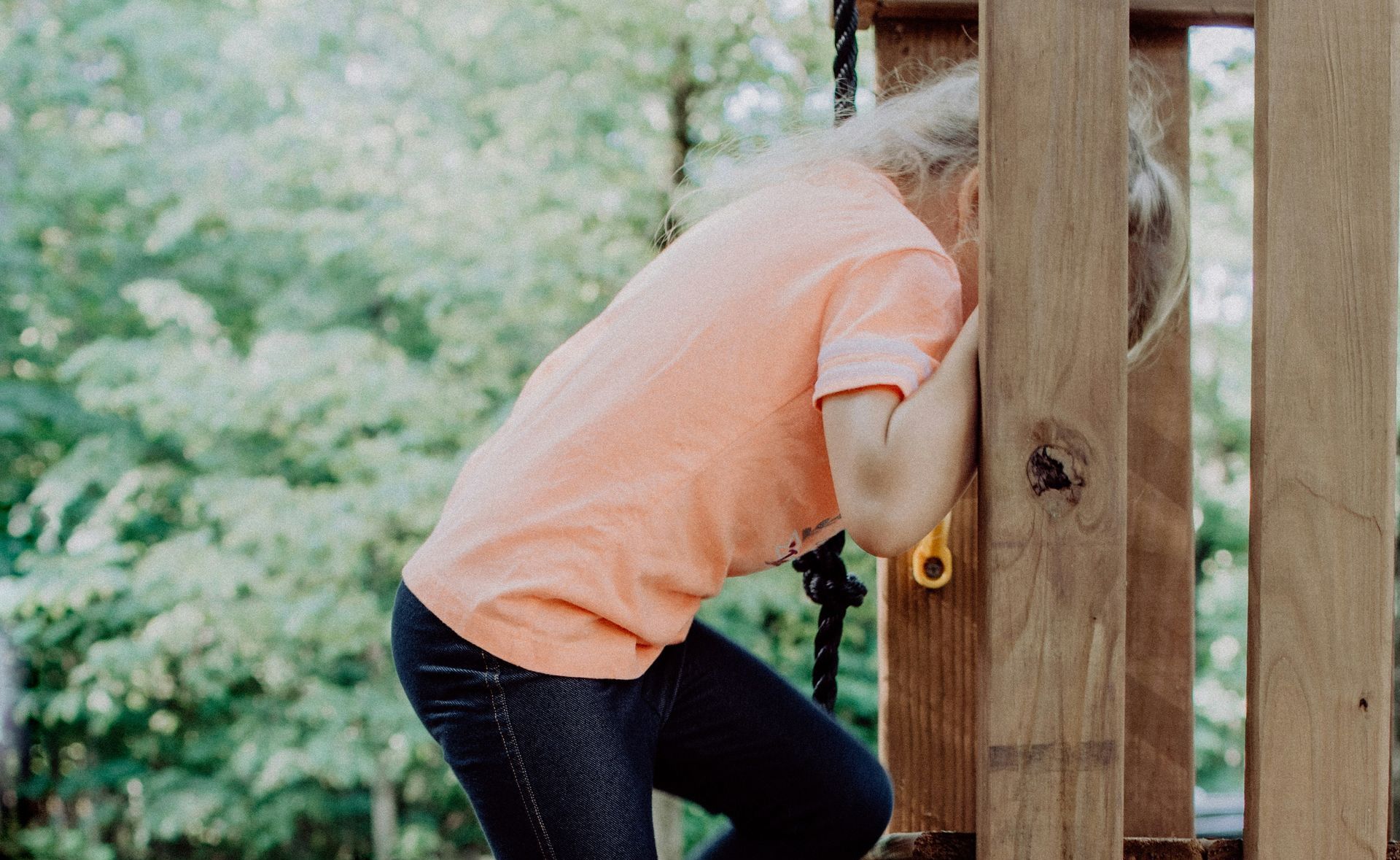
If you’re the parent of a preschooler, chances are you’ve heard the phrase “kindergarten readiness.” And chances are, you’ve also wondered: Is my child ready? What should they know? What if they’re not writing their name yet? Take a deep breath—you’re not alone. At Temple Beth Or Preschool, we believe in preparing children for kindergarten in a way that’s developmentally appropriate, joyful, and rooted in confidence—not pressure. What Kindergarten Readiness Does Mean Kindergarten readiness isn’t just about knowing letters and numbers (although we cover that too!). It’s about helping children grow in four key areas: Social-Emotional Development Can your child separate from caregivers with growing ease? Can they take turns, ask for help, and manage big feelings with support? These foundational skills often matter more than early academics when starting kindergarten. Self-Help Skills Things like zipping a backpack, cleaning up after snack, and using the bathroom independently help children feel confident in a classroom setting. Language & Communication Kindergarten teachers look for kids who can follow directions, express themselves clearly, and engage in conversations—not necessarily those who are reading early. Curiosity and Engagement A child who’s excited to explore, ask questions, and try new things is more than ready to learn—because learning is already happening. What Kindergarten Readiness Doesn’t Mean Being able to read or write fluently Memorizing long lists of facts Sitting still for long periods Being the most academically “advanced” in the class There’s no one-size-fits-all checklist—and there’s no rush. Children develop at their own pace, and readiness is about more than milestones. How TBOP Supports Readiness, the Right Way In our 4s classrooms (Tigers & Monkeys), we combine strong early academics with plenty of play, movement, and creativity. We use the Letterland literacy program (the same one used in Wake County Public Schools), introduce number sense, patterning, and simple graphing through games, and guide kids toward independence and problem-solving. We also focus heavily on emotional intelligence, community-building, and confidence. Kids take on classroom jobs, resolve conflicts with teacher support, and learn how to advocate for themselves and others—all through age-appropriate, hands-on experiences. When they leave TBOP, they’re not just ready for kindergarten. They’re ready to show up as curious, compassionate, and capable learners. Questions about your child’s transition to kindergarten? We’re always happy to chat—because readiness isn’t just about the child, it’s about helping families feel supported too.